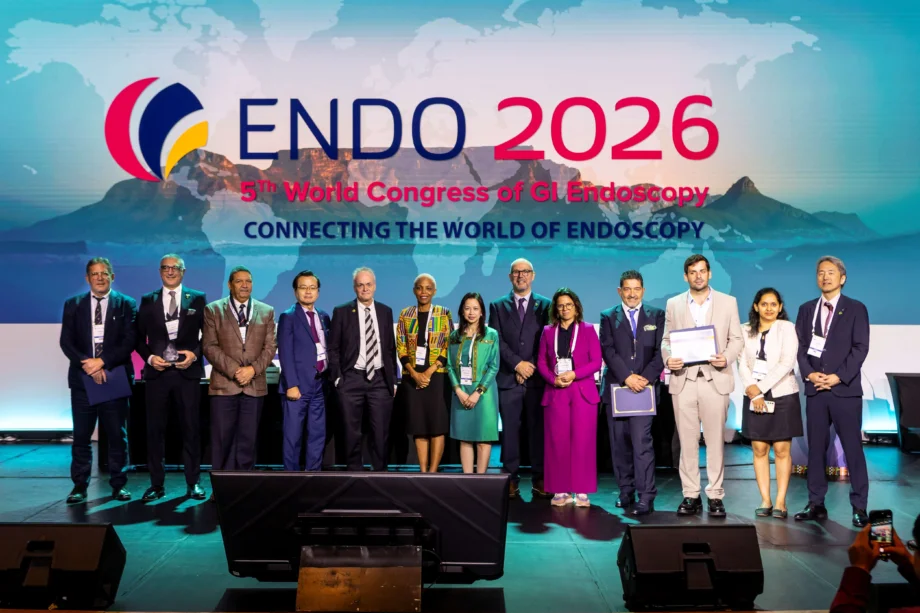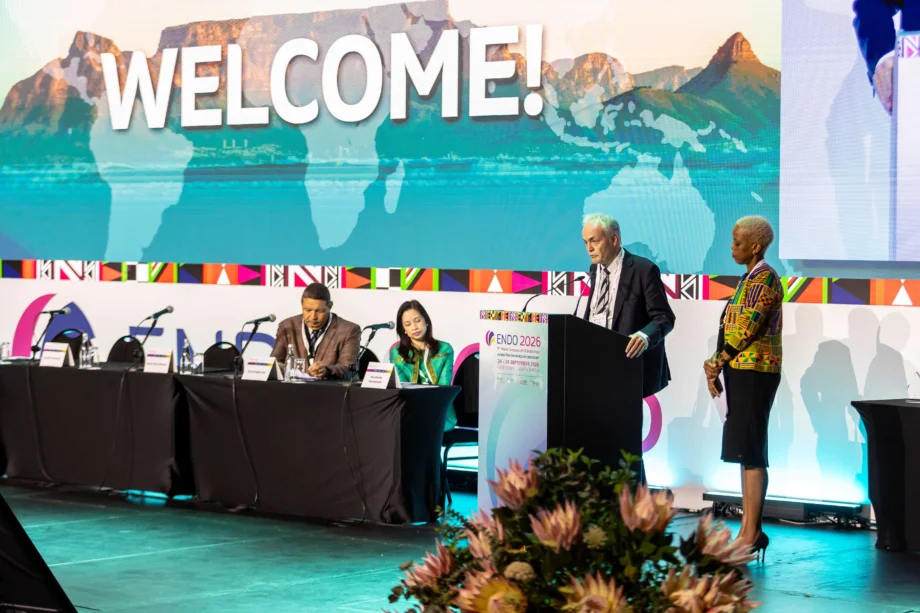
The 5th World Congress of GI Endoscopy was much more than a scientific meeting. Hosted in Cape Town, ENDO 2026 served as a global platform for knowledge exchange, collaboration, and innovation, bringing together the international endoscopy community to advance patient care and strengthen partnerships across specialties, regions, and disciplines.
The success of this Congress was driven by one of WEO´s fundamental aspirations: expanding access to endoscopy in underserved regions. Over recent years, this commitment has grown significantly, notably through the evolution of the Outreach Committee into a Standing Committee. Under the leadership of Chair Prof. Kulvinder Dua, WEO has expanded its international training and capacity-building initiatives worldwide. In Africa, together with Co-Chair Prof. Purnima Bhat, these efforts have focused on strengthening endoscopic services through education, mentorship, research, and professional development, helping build sustainable local expertise across the continent.
Against this backdrop, ENDO 2026 provided a fitting stage to showcase Africa's growing contribution to the global endoscopy community while fostering the international collaboration needed to advance the field for patients everywhere.
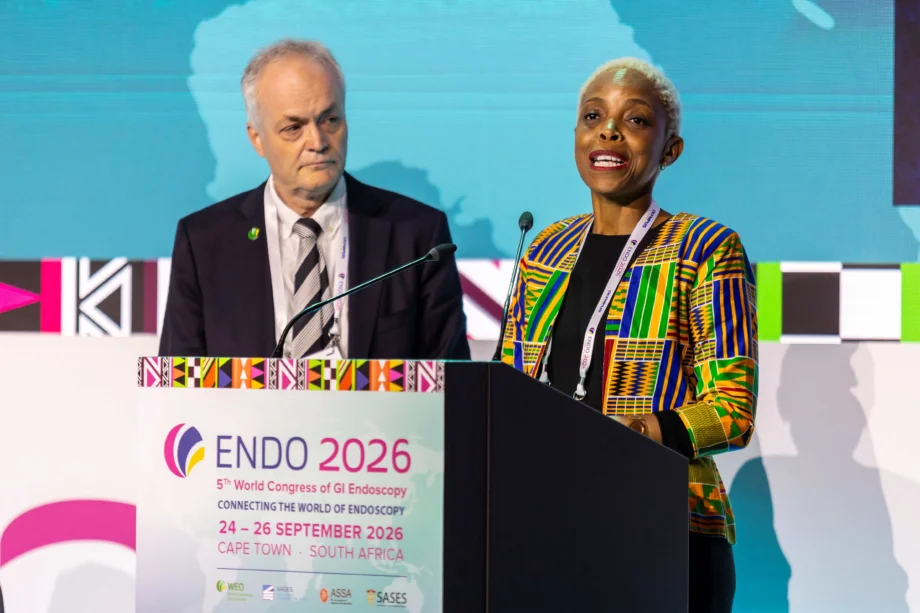
Congress Chair, Prof. Lars Aabakken emphasized this vision:
“We strongly felt that ENDO 2026 in Cape Town was the natural next step to focus the global community on Africa, and to highlight what can be achieved in global outreach through international cooperation. In addition, we wanted to bring as many WEO colleagues from Africa as possible to the meeting, as our key partners in achieving outcomes, to share experiences and foster scientific collaboration. Scientific progress should include all those it endeavors to serve, particularly in medicine. Looking back at the result, I do believe we were able to accomplish these ambitions. The success of ENDO 2026 heralds a bright future for inclusive innovation in endoscopy, and global collaboration to achieve it”.
This vision was at the heart of the entire Congress experience. Over three days, ENDO 2026 welcomed 1440 endoscopists, gastroenterologists, surgeons, researchers, and industry partners from 86 countries, fostering international dialogue and collaboration. The top participating countries included South Africa, Russia, Bangladesh, China, India, Kenya, Namibia, Mexico, the United States, and South Korea.
Hosted on September 24–26, 2026 by WEO in partnership with the South African Gastroenterology Society (SAGES), the Association of Surgeons of South Africa (ASSA), and the South African Society of Endoscopic Surgeons (SASES), the World Congress of GI Endoscopy, ENDO 2026, reflected both the breadth and depth of the field. The meeting featured 342 oral presentations, four outstanding live demonstrations with expert discussions, 18 hands-on training stations, and three joint symposia with WEO's global partners: the Asian-Pacific Society for Digestive Endoscopy (A-PSDE), the European Society for Gastrointestinal Endoscopy (ESGE), and the Inter-American Society of Digestive Endoscopy (SIED). Added to this were 239 e-posters on display and 36 e-poster presentations. Together, these activities created a vibrant environment for learning, innovation, and the exchange of ideas, reinforcing ENDO's role as a landmark gathering for the global endoscopy community.
Worldwide perspectives, African impact
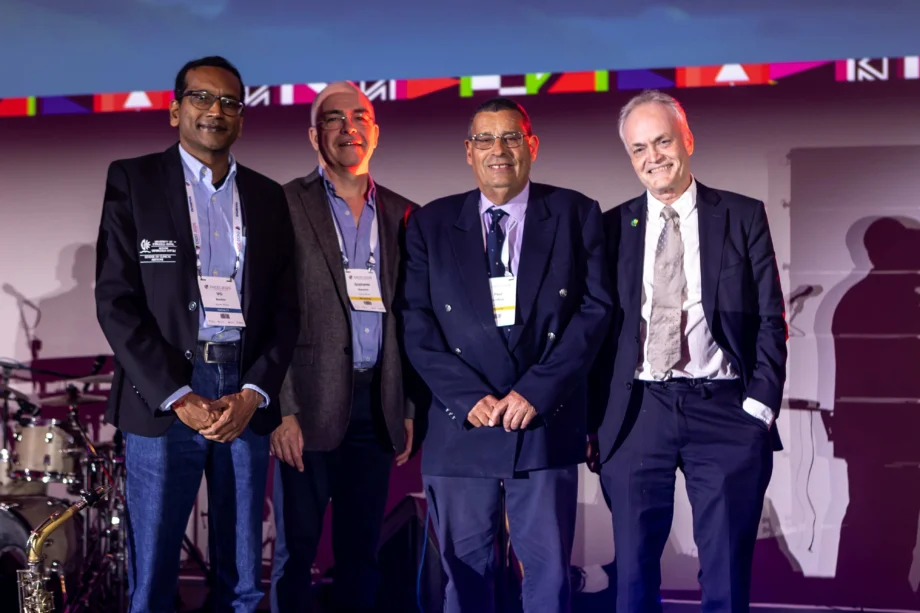
Supported by Congress Co-Chair, Prof. Mashiko Setshedi, and driven by a strong scientific agenda and consistently full session rooms, ENDO 2026 provided an outstanding platform for WEO's South African partner societies, SAGES, ASSA, and SASES. Together, they highlighted Africa's growing role in advancing gastrointestinal endoscopy and patient care.
The sessions focused on expanding access to high-quality endoscopic services, strengthening education and training, addressing regional healthcare challenges, and fostering international collaboration. Across all three programs, speakers emphasized practical approaches to early disease detection, capacity building, and the sustainable development of endoscopy services throughout the continent, offering complementary perspectives from gastroenterology, surgery, and endoscopic surgery.
The South African Gastroenterology Society (SAGES) showcased advances in gastroenterology and hepatology, with particular focus on inflammatory bowel disease (IBD), liver disease, and emerging therapeutic strategies. Highlights included discussions on IBD genetics, the role of the gut microbiome, advances in IBD management, viral hepatitis, hepatocellular carcinoma, and developments in endohepatology.
The Association of Surgeons of South Africa (ASSA) brought together leading surgical experts to explore innovations in modern surgical practice. Key topics included acute care surgery, trauma, breast surgery, endocrine surgery, and hepatopancreaticobiliary (HPB) surgery. The programme featured discussions on minimally invasive techniques, complex trauma management, breast cancer treatment, thyroid and endocrine disorders, and evolving approaches to surgical decision-making.
The South African Society of Endoscopic Surgeons (SASES) highlighted the latest developments in minimally invasive and endoscopic surgery, with particular emphasis on hernia repair, metabolic and bariatric surgery, and colorectal surgery. Sessions addressed contemporary hernia management, surgical treatment of obesity, advances in bariatric procedures, and innovations in colorectal surgical practice.
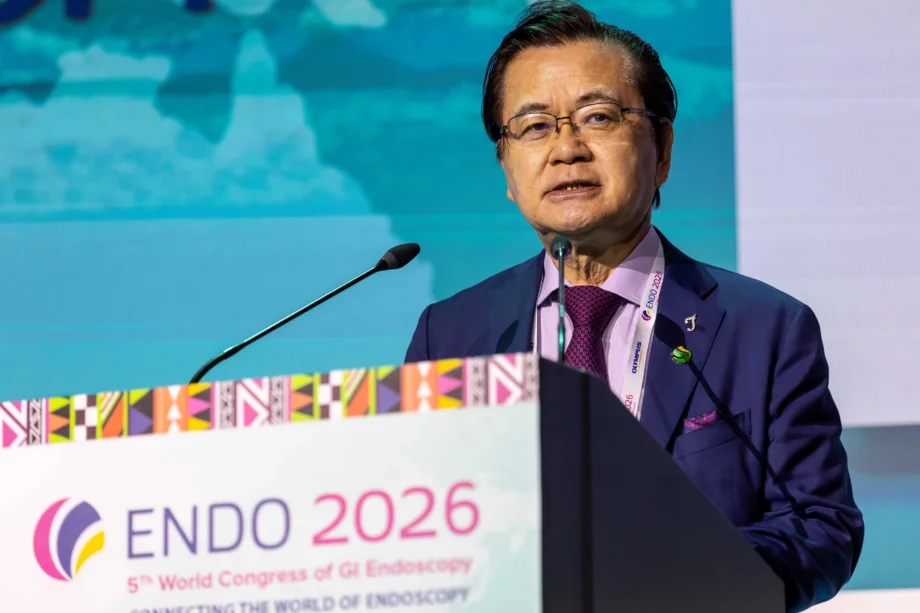
Honoring excellence, inspiring the future
The opening session set the tone for ENDO 2026, bringing together global leaders in endoscopy, gastroenterology, and surgery under the Congress theme, “Connecting the World of Endoscopy.”
A highlight of the session was the presentation of the prestigious WEO Awards, recognizing exceptional contributions to clinical practice, education, research, and leadership in gastrointestinal endoscopy. The 2026 awardees included Guido Costamagna (Italy), who received the WEO Master Endoscopist Award, Luis Caro (Argentina), accepting the WEO Research Mentoring Award, Douglas Faigel (USA), the WEO Distinguished Educator Award and, finally, Hisao Tajiri (Japan) received the prestigious WEO Lifetime Achievement Award.
Upon receiving the Award recognizing his outstanding contributions to the mission of the society, Prof. Tajiri stated:
“The WEO Lifetime Achievement Award is a prestigious honor that recognizes outstanding contributions to the mission and activities of WEO as well as international leadership and academic achievements in the field of gastrointestinal endoscopy. I am deeply honored and grateful to receive this distinguished award. I regard this recognition not only as an acknowledgment of my longstanding international activities and academic contributions, but also as a tribute to Japan's significant role in advancing gastrointestinal endoscopy worldwide.”
The session also celebrated emerging scientific excellence through the WEO Best Abstract Awards, presented to Aashal Bhavesh Shah (USA), Paolo Montalto (Italy), and Miguel Mascarenhas-Saraiva (Portugal) for outstanding research in artificial intelligence, bowel preparation, and advanced biliary diagnostics. Their work reflected the innovation and global scientific reach that characterized ENDO 2026.
The opening session concluded with two distinguished eponymous lectures that offered thought-provoking perspectives on the evolution of gastrointestinal endoscopy. In the Solly Marks Lecture (SAGES), Lars Aabakken explored the relationship between surgery and endoscopy in “Scalpel and Scope: Competition, Mix or Transition?” The Charles Saint Lecture (ASSA) followed, with Eduard Jonas presenting “Looking Outwards, Forwards and Upwards: From Saint's Philosophy to Modern GI Endoscopy,” providing a compelling reflection on the past, present, and future of the field.
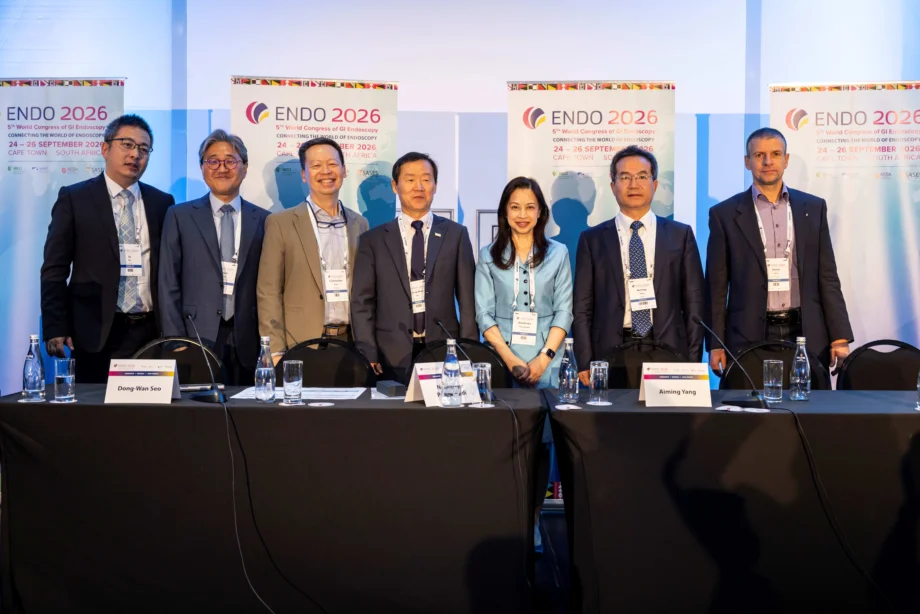
Scientific excellence takes center stage
Under the outstanding leadership and commitment of Dr. Ernst Fredericks and Dr. Nonthalee Pausawasdi, the ENDO 2026 scientific program presented the latest developments in gastrointestinal endoscopy, spanning the entire patient pathway from screening and diagnosis to advanced therapeutic interventions. Topics included artificial intelligence, colorectal cancer prevention, pancreaticobiliary endoscopy, interventional EUS, third-space endoscopy, obesity management, quality improvement, endoscopy training, and emerging technologies. Led by an international faculty, the sessions combined evidence-based updates with practical insights, fostering lively discussion and knowledge exchange while reflecting the Congress commitment to innovation, education, and improving patient outcomes worldwide.
Three joint symposia with our core societies APSDE, ESGE, and SIED emphasized that the need to keep the discussion among all regions is more important than ever with one of three brilliant honorary lectures opening each session. These were: the Sadataka Tasaka Honorary Lecture, “Endoscopic Challenge toward Reduction of Incidence and Mortality of Gastric Cancer,” given by Mitsuhiro Fujishiro; the François Moutier Honorary Lecture, “The African Enigma of Epidemiology, Access, and Outcomes”, delivered by Adam Boutall; and the Rudolf Schindler Honorary Lecture, “Endoscopic Detection and Elimination of Barrett’s Dysplasia and Neoplasia,” given by Prateek Sharma.
Additional eponymous lectures hosted by our local partner societies included, from SAGES, the Mike Moshal Lecture given by Dermot McGovern titled “IBD Genetics: Translating Discovery into Clinical Care, ” and the Louis Mirvish Lecture “Viral Hepatitis and Hepatocellular Carcinoma in SSA Emerging Trends towards Elimination,” given by Wendy Spearman. From SASES, the Marcus Medical Prestige Lecture, “New developments in AI and Robotics Surgery” was delivered by Johann Potgieter.
As is traditional at ENDO congresses, a learning track offered well-established WEO courses including the Advanced Diagnosis Endoscopy Course (ADEC), Colorectal Cancer Screening Committee meetings, WEO International School of Endoscopy (WISE) sessions, the Research Forum, and Video Capsule Endoscopy (VCE) and High-Q courses.
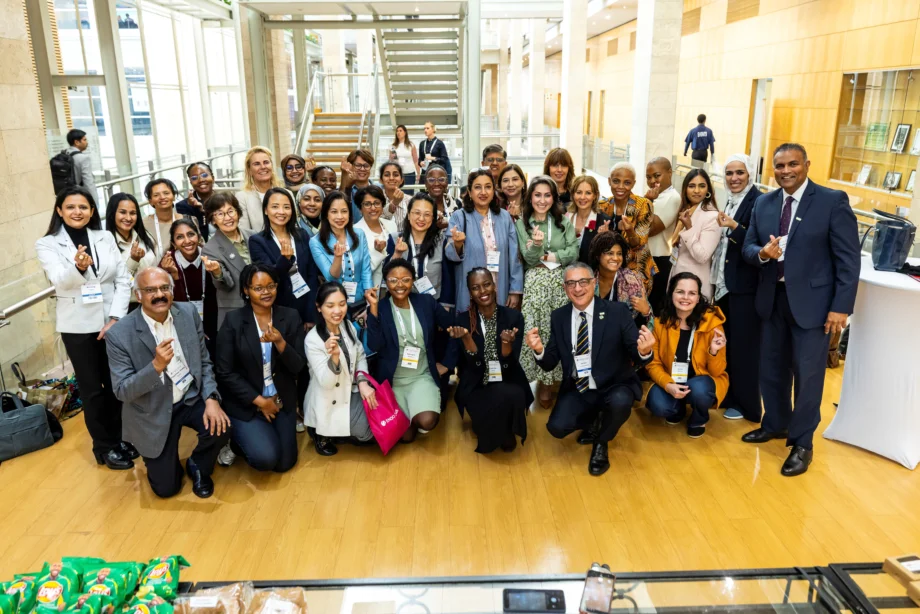
Three sessions added a distinctive and inspiring perspective to the scientific program: The Women in Endoscopy session was characterized by an outstanding atmosphere of openness, engagement, and collegiality. Bringing together accomplished leaders and emerging professionals from around the world, the session fostered lively discussion on leadership, mentorship and work–life integration. The session also featured global perspectives from Africa, Asia, the Middle East, Oceania, Europe, and the Americas, highlighting regional challenges, opportunities and strategies to support greater representation and career advancement for women in endoscopy. The high level of audience participation and exchange of experiences underscored the strength of the global community and the shared commitment to supporting the next generation of female leaders in the field.
The Alumni symposia showcased the growing impact of the global alumni network in advancing endoscopic education and collaboration. Discussions highlighted the value of maintaining connections beyond training programs, promoting international partnerships, sharing expertise across regions, and creating opportunities for lifelong professional development. The session demonstrated how alumni engagement continues to strengthen the worldwide endoscopy community and supports the ongoing mission of education, mentorship, and knowledge exchange.
The Nurses program led by Marilyn Pillay and Charmaine Alexander from the South African Gastrointestinal Nurses Society (SAGINS), focused on gastrointestinal nursing, professional development, and industry engagement. The session included presentations from industry partners such as Marcus Medical, First Medical, and Vertice, providing an opportunity for knowledge-sharing and engagement within the gastrointestinal nursing community.
Bringing endoscopy to life
With four dedicated live demonstration sessions, two international broadcast sites, from AIG Hospitals, Hyderabad, India, and the Evangelisches Krankenhaus Düsseldorf, Germany, and six hours of live cases, the programme provided a unique opportunity to experience advanced therapeutic endoscopy in real time. Featuring ESD, ERCP, EUS-guided procedures, third-space endoscopy, and complex luminal interventions, the sessions were strategically designed to showcase both technical excellence and clinical decision-making.
Led by Jean-Francois Rey and moderated by leading international experts, the live demonstrations offered participants direct insight into the management of challenging cases, troubleshooting strategies, and the nuances of expert practice. The interactive format encouraged dynamic discussion among operators, moderators, and audience members, creating a highly engaging educational experience. Closely aligned with scientific sessions on artificial intelligence, robotics, interventional EUS, endobariatrics, and emerging technologies, the live program connected innovation with everyday clinical practice.
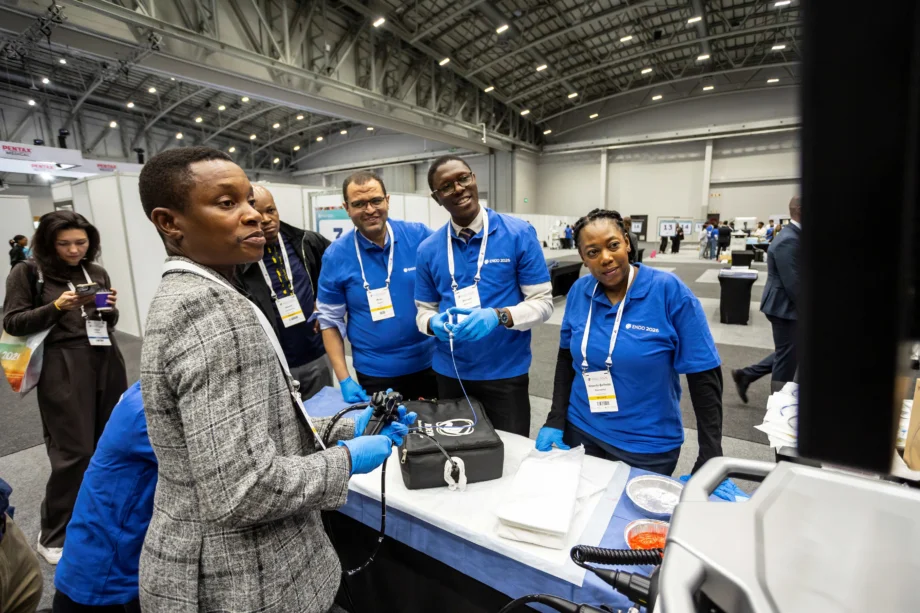
The Hands-On Training area once again proved to be one of the Congress's most valued educational experiences, offering participants the opportunity to develop practical skills under the guidance of world-renowned faculty. Featuring 18 dedicated stations covering upper and lower gastrointestinal endoscopy, polypectomy, ERCP, EMR, POEM, ESD, EUS, and other specialized techniques, the program provided learners with direct exposure to the latest tools and procedures.
This successful initiative was made possible through the close collaboration of international and local faculty, the invaluable support of the nursing teams, and the strong commitment of industry partners. Together, they created an outstanding environment for experiential learning, reinforcing ENDO 2026's commitment to advancing endoscopy education through both observation and hands-on practice.
Innovation, discovery, and collaboration in the Exhibition Hall
The exhibition area was once again a vibrant and integral part of the conference, providing a valuable space for learning, discovery, and meaningful exchange. It offered participants the opportunity to explore the latest innovations, learn about new products and technologies, and engage directly with industry experts. The enthusiasm and positive feedback from participants highlighted just how much these interactions are valued, creating opportunities to exchange ideas, ask questions, and discover solutions that can help shape the future of endoscopy.
Beyond showcasing innovation, the exhibition fostered connections between healthcare professionals and industry representatives, strengthening the collaboration that is essential to advancing our field.
One Congress ends, the journey continues
ENDO 2026 concluded with a memorable closing ceremony that celebrated the achievements of an extraordinary Congress while looking ahead to the future of the global endoscopy community. In a symbolic presidential transition, outgoing WEO President Lars Aabakken passed the WEO crystal globe to incoming President Asadur Tchekmedyian, reaffirming the organization's commitment to education, innovation, collaboration, and patient care worldwide. The ceremony highlighted the connections, partnerships, and scientific advances fostered throughout the meeting and culminated in the official invitation to ENDO 2028 in Panama City, marking the beginning of a new chapter in WEO's ongoing mission to connect the world of endoscopy.
Impressions from attendees:
Belinda, delegate, South Africa: "I am here to socialize with colleagues and members of the World Endoscopy Organization, outside of our usual environment, and to actually advance our skills. There is a lot to learn in such an educational environment."
Jayamala Patel, delegate, United Kingdom: "I am at the early stage of my career. I thought it might be a good opportunity to network and learn more about endoscopy, and it has been a wonderful experience so far. One of the highlights of ENDO 2026 is the networking opportunity. I’ve got to know so many people and find out about their careers and what they’ve done, which is fabulous."
Michael Mwachiro, faculty, Kenya: "It was a great experience for me as part of the scientific team to see how all this work came together in such a great congress. ENDO 2026 was a good social event to network, reconnect, and learn about new technologies. It is an absolute pleasure to be here."