Special Report from the 4th Digestive Endoscopy Academic Conference (2025) of the Peking University First Hospital, by Professor Long Rong
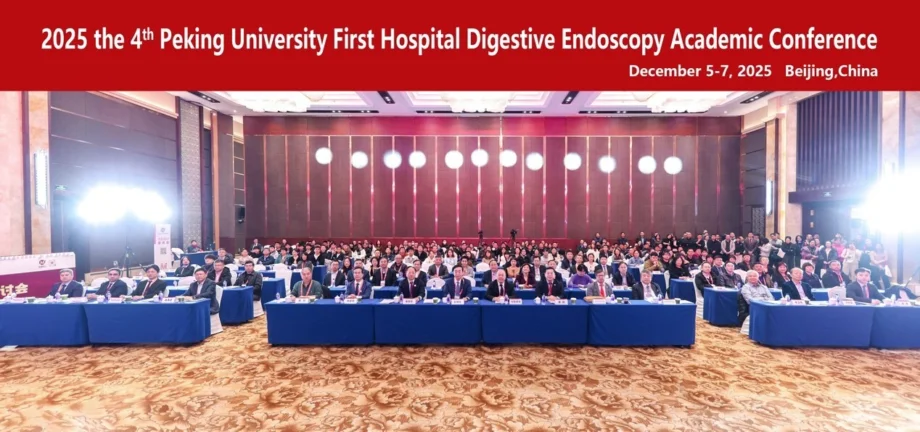
Peking University First Hospital recently hosted its 4th Digestive Endoscopy Academic Conference. As the first state-established hospital in China, Peking University First Hospital has long been a pioneer in the field of digestive endoscopy. This prestigious conference was chaired by Prof. Rong Long – an active member of the World Endoscopy Organization (WEO).
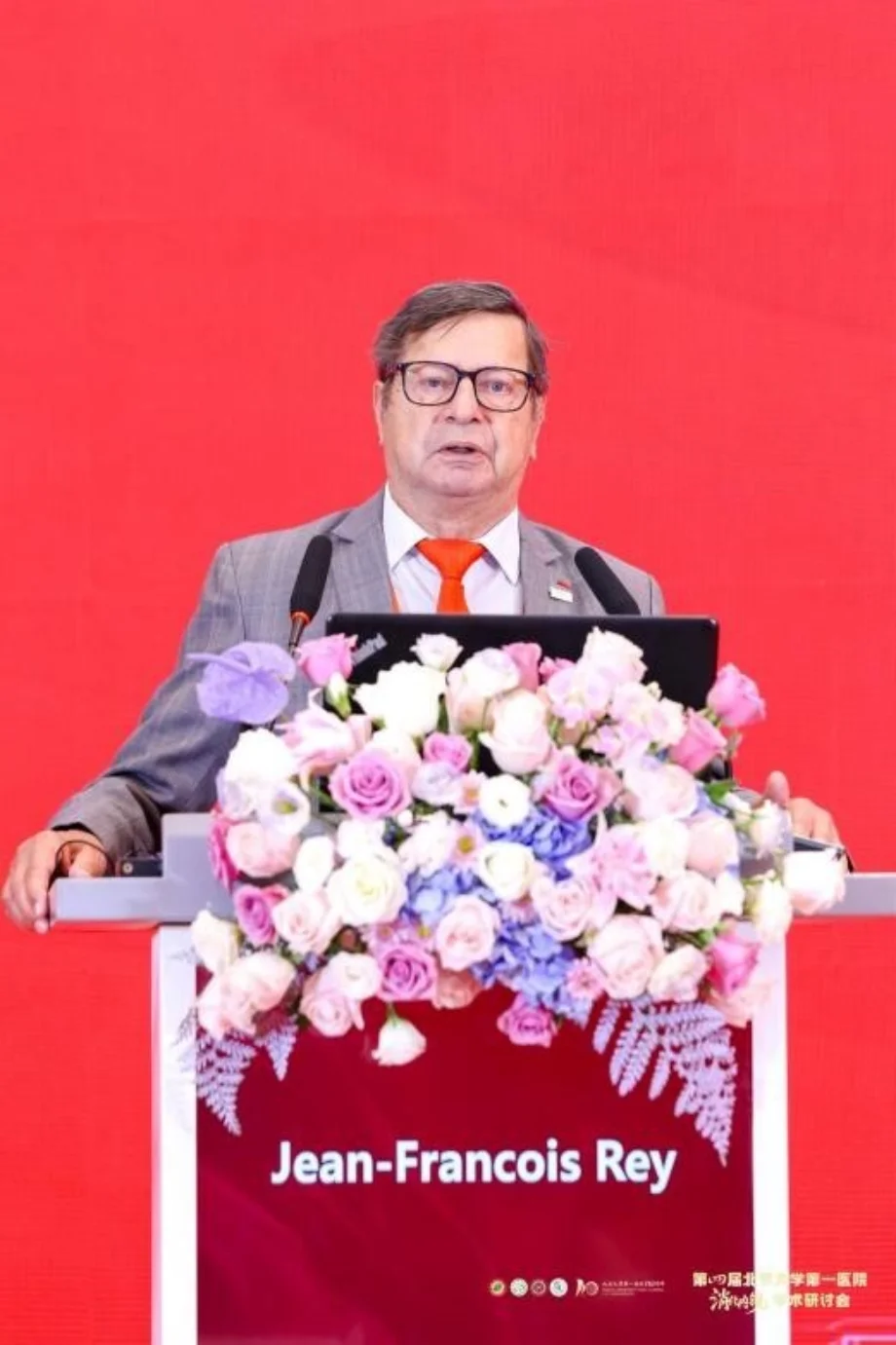
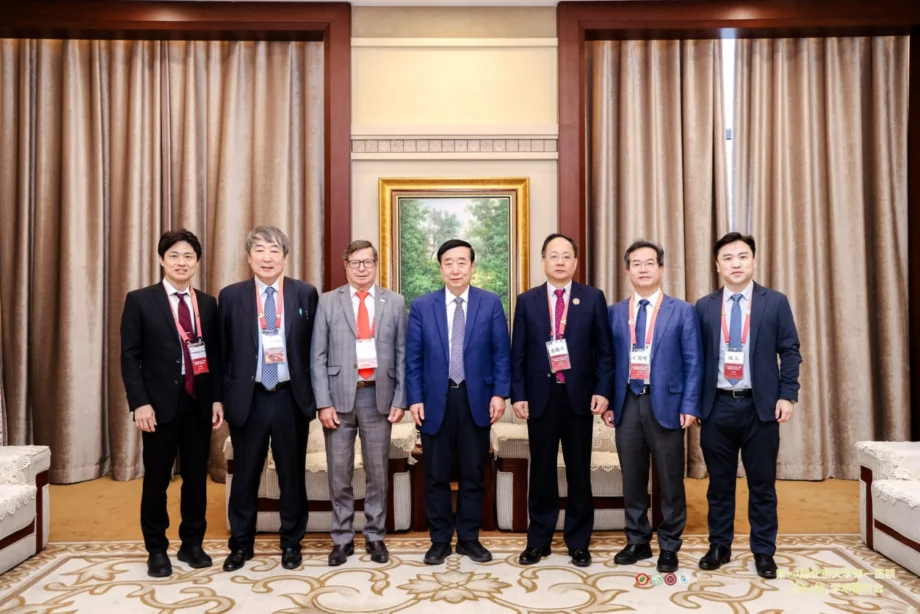
Prof. Jean-François Rey, former WEO President, attended as a distinguished guest and delivered the opening speech. The opening ceremony was also addressed by the senior leadership of the Chinese Society of Digestive Endoscopy (CSDE) – past President Prof. Linghu Enqiang, current President Prof. Jin Zhendong, and incoming President Prof. Yang Aiming – highlighting the meeting's national importance. The event brought together more than 300 leading national experts and seven prominent international speakers.
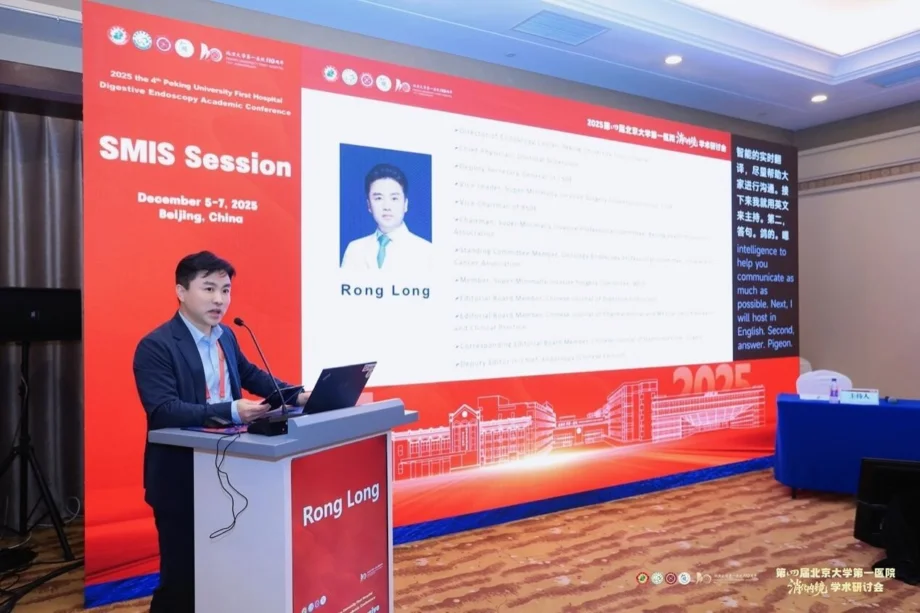
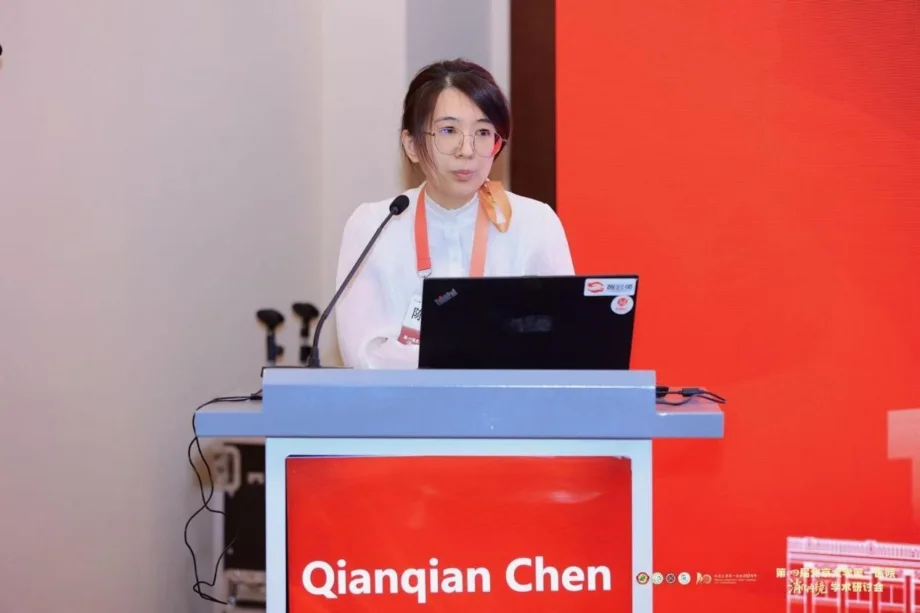
In his opening lecture, Prof. Rey commended the visionary super minimally invasive surgery (SMIS) concept and its potential to reshape global surgical practice. In the SMIS session, Dr. Qianqian Chen from the Chinese PLA General Hospital, representing the founder of the SMIS concept, Professor Linghu Enqiang, delivered an academic report titled "SMIS Transforms the Diagnosis and Treatment Paradigm of Digestive Diseases."
SMIS: Shifting the paradigm from “resection and reconstruction” to “preservation and restoration”
Prof. Linghu Enqiang emphasized the philosophical core of SMIS: “Curing disease while preserving the anatomical integrity of human organs.” First proposed in 2016 and refined over nine years, this concept marks a fundamental transition from traditional organ-removing surgery toward organ-preserving therapy. The goal is to enable patients to return to high-quality life with minimal physiological disruption.
SMIS represents the world’s first systematically proposed complete theoretical framework for curing disease while preserving organ function. This innovation has gained international recognition.
SMIS is realized through four principal access routes: natural orifices, tunneling, puncture, and multispace access. Supported by superminimally invasive techniques, these approaches allow complete lesion management without organ resection. The system has evolved from a strategy for early-stage tumors into a versatile repertoire with the potential for hundreds of procedures.
The SMIS philosophy finds vivid application in biliopancreatic diseases. Conventional treatments often compromise the biliary tract's integrity, leading to permanent dysfunction.
Under the SMIS paradigm, a zero-incision therapeutic era has begun. Techniques such as temporary stenting allow for precise lesion removal via ultrathin endoscopes. Post-procedure, the stent is removed, and the anatomy is fully restored, preserving the entire biliary system and liver function as a true alternative to destructive traditional surgeries.
SMIS is deeply integrating with AI technology to enable real-time intraoperative lesion boundary delineation, vascular recognition, and automatic polyp detection, thereby further enhancing the safety, accuracy, and efficacy of surgical procedures.
Academic impact and global collaboration
This conference showcased China's pioneering SMIS journey, providing a reference “Chinese approach” for endoscopists worldwide. “The human body contains no redundant structures. Our primary duty is to preserve organs.” Prof. Linghu Enqiang urged scholars to emphasize innovation to lead global scientific progress. In the future, with the development of new technologies, SMIS will play an increasingly important role in organ-preserving treatments across a wider range of conditions. Prof. Rey affirmed that WEO will continue to support international promotion and training collaboration in SMIS.
Summary
This conference, hosted by Peking University First Hospital, provided a key platform for exchanging ideas on endoscopic surgical innovation. The participation of senior figures from China's endoscopic community and international experts reflected the broad interest in the superminimally invasive surgery (SMIS) concept.
A central focus was the detailed presentation of SMIS as a conceptual evolution in therapeutic strategy – emphasizing preservation and restoration alongside disease eradication. The sessions demonstrated its maturation from a proposal into a structured clinical framework, with practical applications.
The event effectively communicated a cohesive “Chinese approach” to organ-preserving therapy, combining theoretical principles with technical methodologies. As WEO expresses interest in its wider dissemination, SMIS represents a notable contribution to the global endoscopic field, highlighting the clinical value of prioritizing organ integrity in treatment planning.